

Ledger.com/start: A Beginner-Friendly Guide to Wallet Setup and Digital Asset Protection
Managing cryptocurrency involves more than checking prices or sending digital assets. Users also need to understand how wallet access works, how private keys are protected, and how to avoid online scams. Ledger.com/start is a useful starting point for people learning about compatible Ledger hardware wallets and the steps involved in preparing one for use. This article covers the basics of hardware wallet setup, device verification, account management, and practical security habits for beginners.Learn the Basics Before Visiting Ledger.com/start
A hardware wallet is a physical device designed to protect the private keys associated with cryptocurrency accounts. It allows users to review and approve supported transactions without exposing their private keys to an ordinary internet-connected computer. Before beginning the Ledger.com/start process, understand that a hardware wallet does not automatically protect against every online threat. Fake websites, malicious applications, misleading transaction requests, and exposed recovery phrases can still create serious risks. Learning these basics first can help you make more informed decisions throughout setup.Check Your Device and Connection
Start by checking that your hardware wallet is the model you intended to use and that it appears to be in suitable condition. Follow the manufacturer’s genuine setup instructions rather than relying on random online tutorials. Connect the device using a trusted computer or compatible mobile device. Avoid public computers and unknown USB accessories when handling wallet setup. If the device displays instructions, read them carefully. Do not skip security checks or accept unexpected prompts without understanding what they mean.Set Up Your Wallet Step by Step
The exact process can differ between hardware wallet models, but a typical setup involves several important stages.1. Visit the Verified Setup Resource
Enter Ledger.com/start directly into your browser. Check the spelling and domain before continuing. Be suspicious of websites that use extra words, unusual domain endings, or misleading branding.2. Install the Companion Software
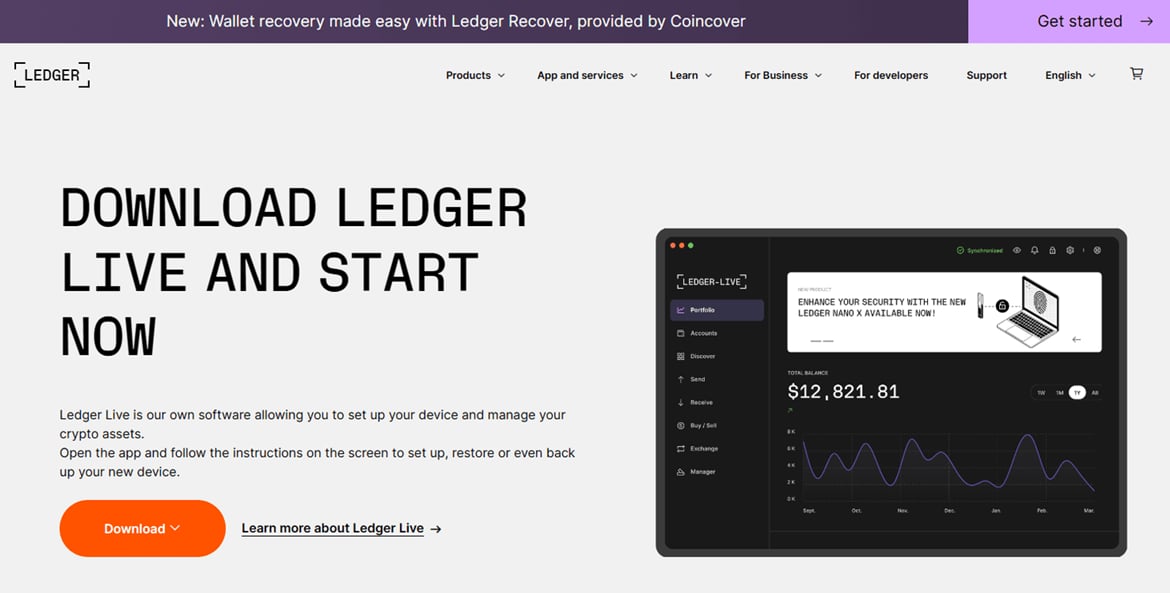
Use verified Ledger sources to obtain Ledger Live or the appropriate supported software. Avoid third-party download pages and unofficial installation packages.3. Connect Your Hardware Wallet
Follow the on-screen instructions to connect your device. If prompted, complete the required checks using the instructions shown on the genuine hardware wallet.4. Create a PIN
Choose a PIN that is difficult for others to guess. Do not reuse a simple combination that you use for other accounts, and never share the PIN with another person.5. Secure Your Recovery Phrase
Follow the device instructions to record your recovery phrase. Check every word carefully and store the written backup in a secure location that only you can access.Protect Your Wallet From Online Scams
Scammers sometimes create fake setup pages, impersonate customer support, or send messages claiming that a wallet must be verified immediately. Keep these rules in mind:- Never disclose your recovery phrase.
- Do not enter recovery words into a website or online form.
- Avoid unexpected links claiming to fix wallet problems.
- Do not install software from unknown sources.
- Never approve an unfamiliar transaction.
- Verify important information directly through trusted channels.